Here’s What You Will Learn in This Blog
In today’s fast-paced supply chain landscape, businesses cannot afford inefficiencies in their warehouse operations. Manual processes, disconnected systems, and a lack of real-time visibility often result in higher costs, slower order fulfilment, and reduced customer satisfaction.
This is where SAP Extended Warehouse Management (EWM) steps in — delivering advanced capabilities for streamlined warehouse operations, end-to-end visibility, and enhanced agility.
What is SAP EWM?
SAP Extended Warehouse Management (EWM) is an advanced warehouse management solution that helps businesses optimize storage, inventory handling, and order fulfilment.
Unlike traditional warehouse systems, SAP EWM integrates seamlessly with SAP S/4HANA and offers real-time tracking, automation, and analytics for end-to-end supply chain efficiency.
Key Benefits of SAP EWM
Here’s how SAP EWM transforms warehousing into a value-driven function of the supply chain:
- Real-time visibility – Track inventory and orders across multiple locations.
- Optimized space utilization – Intelligent slotting and storage management reduce wasted space.
- Automation – Integration with robotics, conveyors, and IoT for faster throughput.
- Faster fulfilment – Reduce order cycle time with streamlined picking, packing, and shipping.
- Cost savings – Lower operational costs through efficiency and reduced errors.
- Scalability – Support business growth by managing increasing warehouse volumes seamlessly.
SAP EWM Workflow: How It Streamlines Warehousing
SAP EWM supports both simple and highly complex warehouse processes:
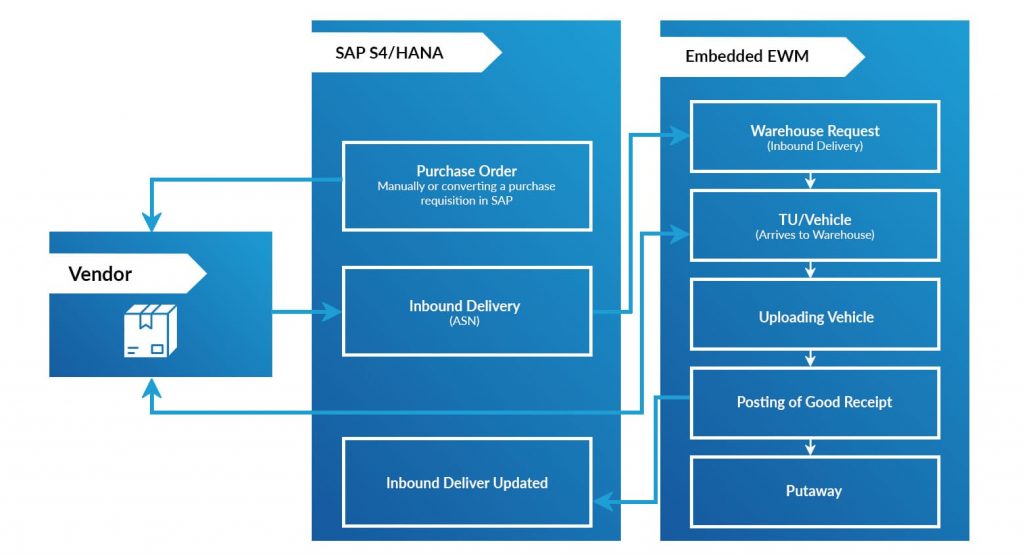
Inbound Logistics: Automates goods receipt, labeling, and putaway.
Inventory Management: Enables cycle counting, slotting, and warehouse task automation.
Order Fulfilment: Manages wave picking, cross-docking, and batch management.
Outbound Logistics: Optimizes packing, staging, and shipping, ensuring timely delivery.
SAP EWM and Supply Chain Optimization
Warehousing is no longer a back-end function — it directly impacts customer experience and supply chain performance. By leveraging SAP EWM, organizations can achieve:
Faster response to market changes.
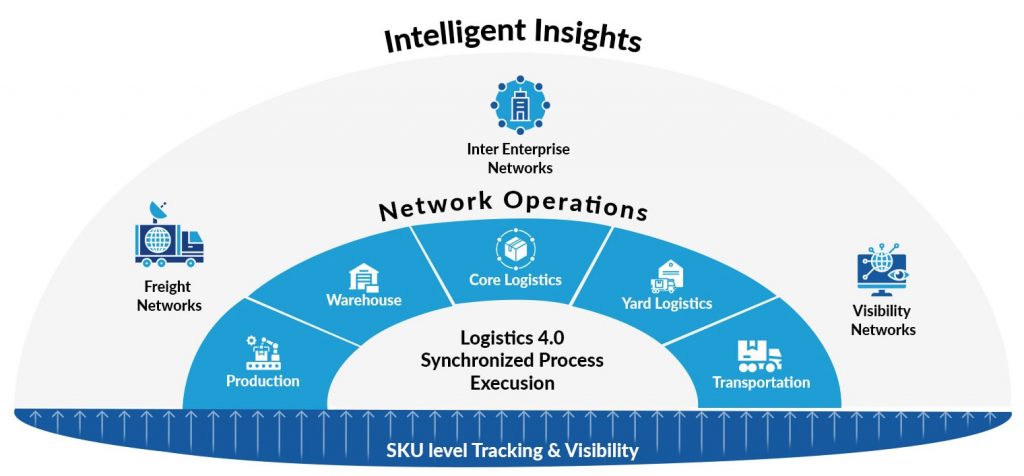
Seamless integration with transportation and production planning.
Data-driven decision making with big data and analytics.
Improved workforce productivity through automation.
For businesses undergoing a digital transformation journey, SAP EWM plays a critical role in creating an agile, resilient, and customer-centric supply chain.
Migration to SAP EWM: Challenges
While SAP EWM offers immense value, migrating from legacy warehouse systems or SAP WM requires careful planning. Common challenges include:
Data migration and mapping from old systems.
Process reengineering to adapt to SAP best practices.
Integration with existing SAP ERP or third-party tools.
User adoption and training for warehouse staff.
Best Practices for a Smooth Implementation
Conduct a comprehensive assessment of warehouse processes.
Prioritize data cleansing before migration.
Use SAP’s preconfigured scenarios to speed up deployment.
Invest in change management and training to ensure user adoption.
Real Business Value of SAP EWM
Organizations that implement SAP EWM report:
20–30% reduction in order cycle time.
15–25% improvement in warehouse space utilization.
10–20% cost savings through automation and efficiency.
Higher customer satisfaction due to faster and accurate deliveries.
Internal Resources to Explore
Learn how digital transformation with SAP S/4HANA drives smarter warehousing.
Explore the role of SAP Ariba in supply chain optimization for end-to-end visibility.
Understand how SAP GTS ensures compliance in global trade linked with warehousing.
Discover more about cloud-based HCM with SuccessFactors to align workforce productivity with warehouse operations.
Conclusion
SAP EWM is not just about managing warehouse tasks — it is about transforming warehousing into a strategic advantage.
By integrating automation, real-time visibility, and advanced analytics, SAP EWM helps organizations streamline operations, reduce costs, and deliver superior customer experiences. Businesses that adopt SAP EWM today are building a resilient, future-ready supply chain that can scale with market demands.
Book a consultation to assess your warehouse readiness.
About the Author

Praveen Sharma is a distinguished digital and SAP S/4HANA techno-functional transformation expert with over 25 years of experience. As a Delivery Lead, he excels in project planning, execution, and governance, while building and maintaining robust customer relationships. Praveen leverages the latest SAP technologies, including SAP S/4HANA, SAP Business Technology Platform (BTP), and SAP Analytics Cloud, to help clients improve operations, enhance efficiency, and reduce costs.